What to do in Saint-Tropez? The chic and authentic guide, beyond the clichés
Published on August 21, 2026
Saint-Tropez carries a reputation for glitz and superyachts that hides the essential: beneath the gloss lies a genuine Provençal fishing village, with its ochre lanes, its century-old market and its wild coves. This guide is for those who want both sides of the coin — the authentic and the refined — and who want to know exactly where to go to avoid the tourist traps.
The old village: start with the soul of the place
Before the beaches and the clubs, there is the village. And it's here, paradoxically, that Saint-Tropez is at its most sincere.
La Ponche, the old fishermen's quarter just behind the port, is the historic heart: a maze of narrow lanes, colourful façades and small shaded squares, largely spared by the bustle. This is where to wander early in the morning, as the shopkeepers open up and the light is still soft.
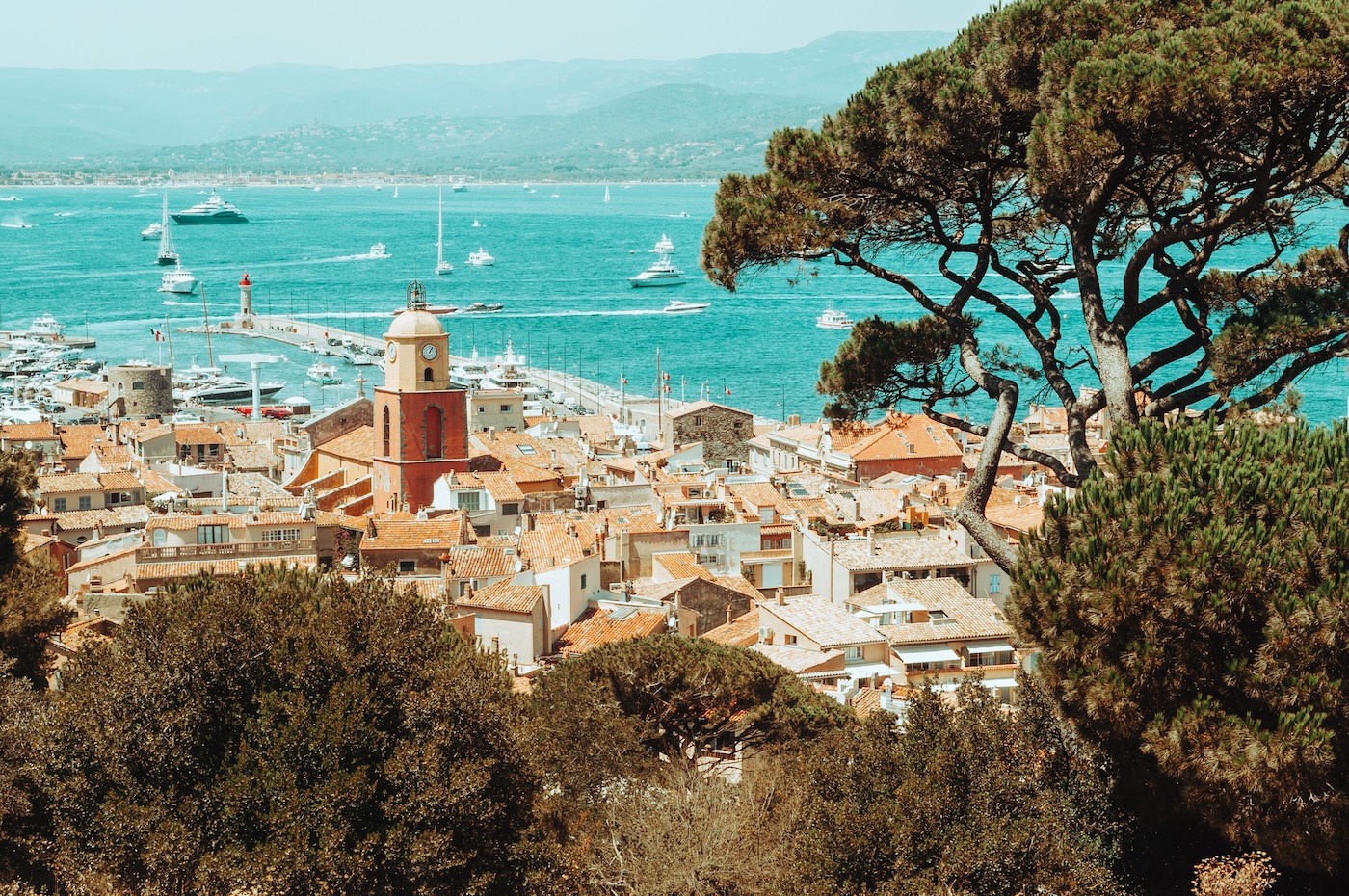
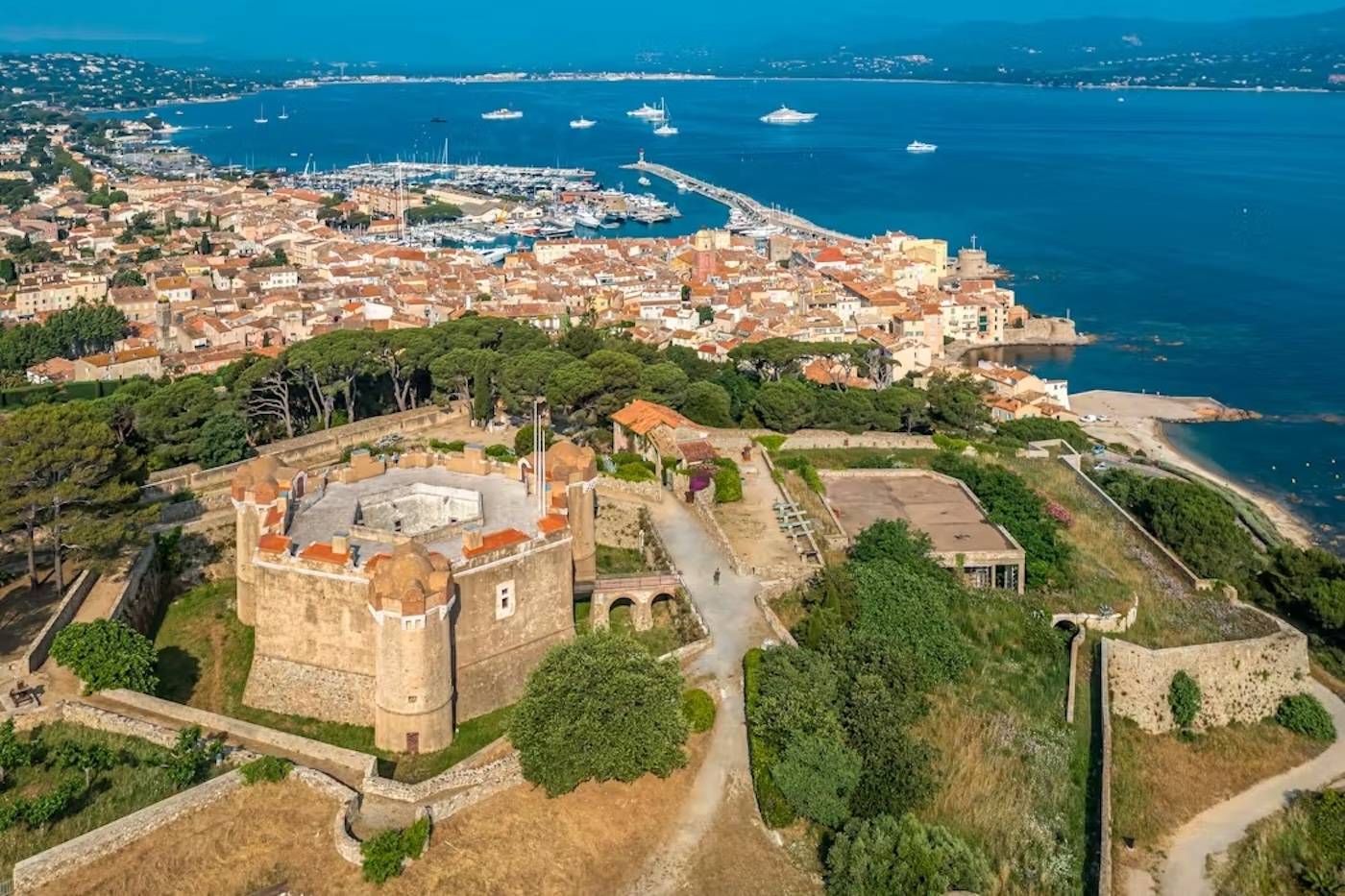
The climb up to the Citadelle, the 17th-century fortress overlooking the gulf, rewards the effort with a panoramic view across the whole bay. The maritime history museum it houses is worth the detour, and the ramparts offer one of the finest viewpoints on the peninsula — best at sunset.
On the harbour front, the legendary red terrace of Sénéquier has been an institution for decades. A coffee there costs the price of a principle, but it's the observation post par excellence for watching the ballet of yachts and the life of the quay.
The Place des Lices market: the absolute must
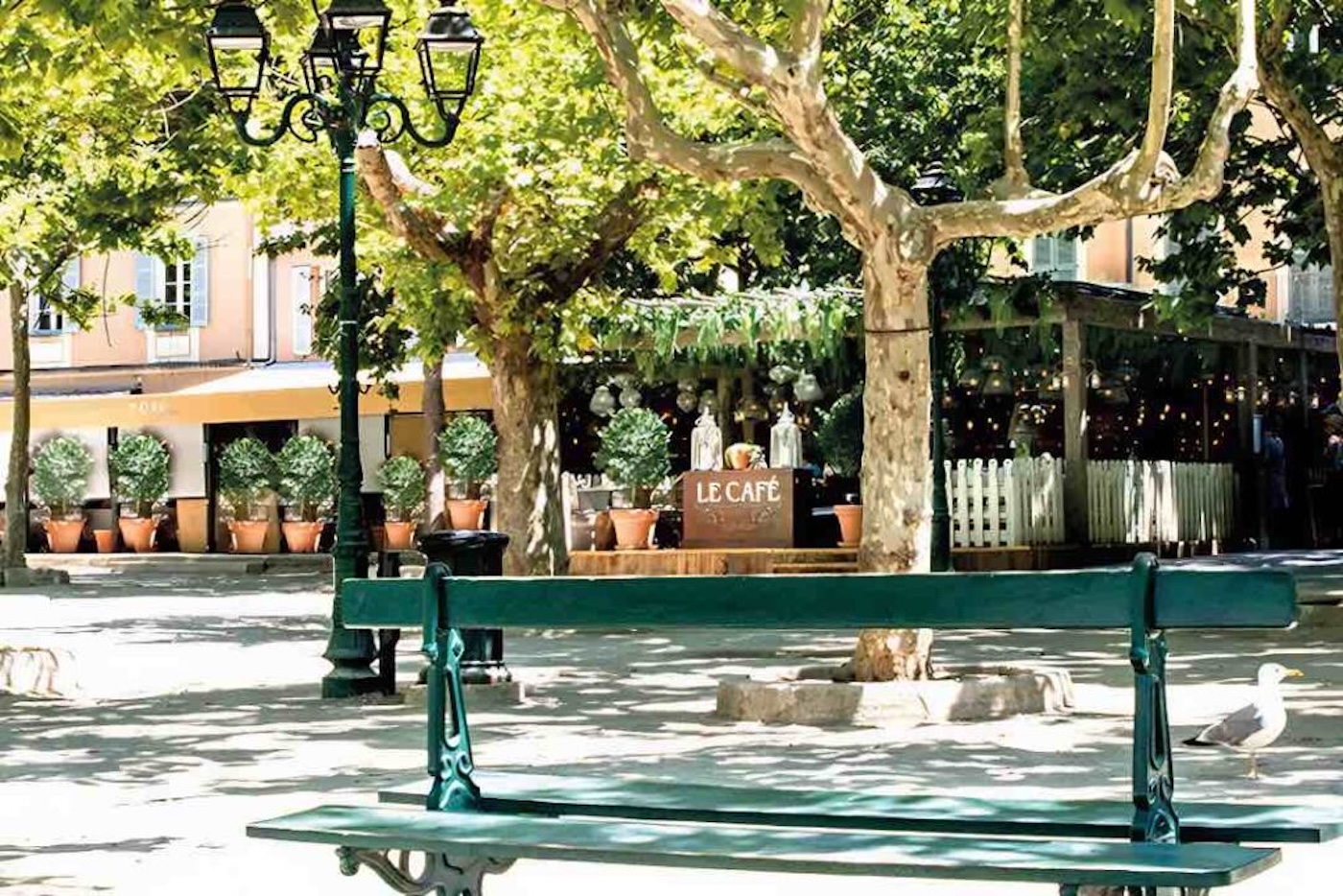
If you remember only one thing, make it this. The Place des Lices market is held every Tuesday and Saturday morning, all year round, in the shade of century-old plane trees. More than a hundred stallholders offer sun-ripened fruit, farmhouse cheeses, olives, tapenades and flowers, alongside clothing, hats and Provençal crafts.
This is authentic Saint-Tropez at its finest — the one where locals do their shopping, where the pétanque players have gathered for generations, and where the southern art of living makes complete sense. Arrive early to enjoy the atmosphere before the crowds. On the square, Le Café des Arts (now simply Le Café), an institution since 1891, is the perfect spot for a pastis after the market.
Art and culture: the best-kept secret
Many visitors don't realise it, but Saint-Tropez is home to a world-class museum. The Musée de l'Annonciade, set in a 16th-century chapel facing the port, brings together a remarkable collection of Pointillist and Fauve painters — Signac, Matisse, Derain, Bonnard — who made this village their studio at the turn of the 20th century. A pocket of calm and beauty a stone's throw from the buzz of the harbour, for a modest entry fee.
For something lighter, the Musée de la Gendarmerie et du Cinéma, housed in the former police station made famous by the Louis de Funès films, traces the village's journey from fishing port to cinema icon.

The beaches: from iconic to wild
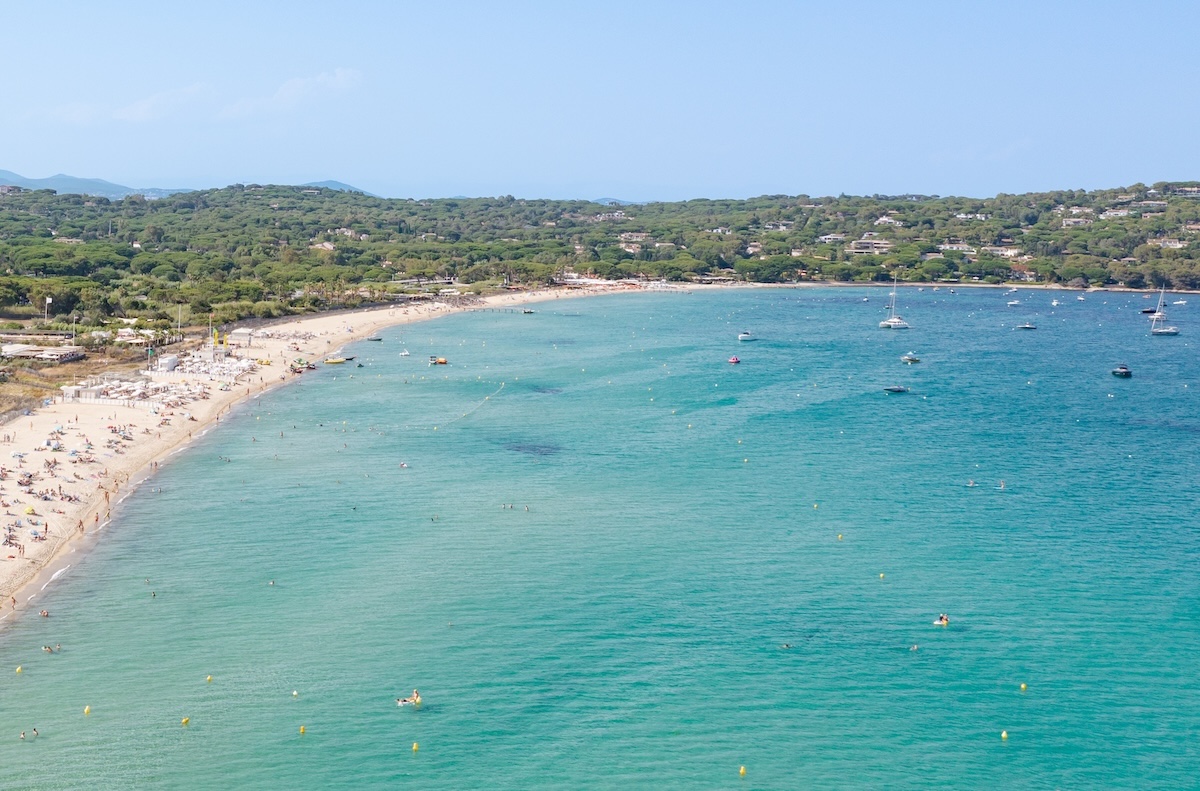
The centre of Saint-Tropez is a harbour, not a seaside resort — for sand, you need to head to the neighbouring commune of Ramatuelle and the famous Pampelonne beach, five kilometres of sand made legendary by And God Created Woman.
Each beach club has its own personality. Club 55, the oldest (since 1955) and the most sought-after, cultivates a relaxed, rustic-chic elegance under the tamarisk trees — the mythical address, the one for regulars and insiders. Nikki Beach plays the party card with DJ sets and a champagne atmosphere. For those who prefer discretion, several beaches offer the same beauty without the scene.
Lovers of quiet, meanwhile, should head for Plage des Graniers, reachable on foot from the Citadelle, with its single restaurant right on the sand, or Plage de la Moutte, earned at the end of a twenty-minute path — the reward being a far more unspoiled cove.
The Sentier du Littoral: the wild Riviera on foot
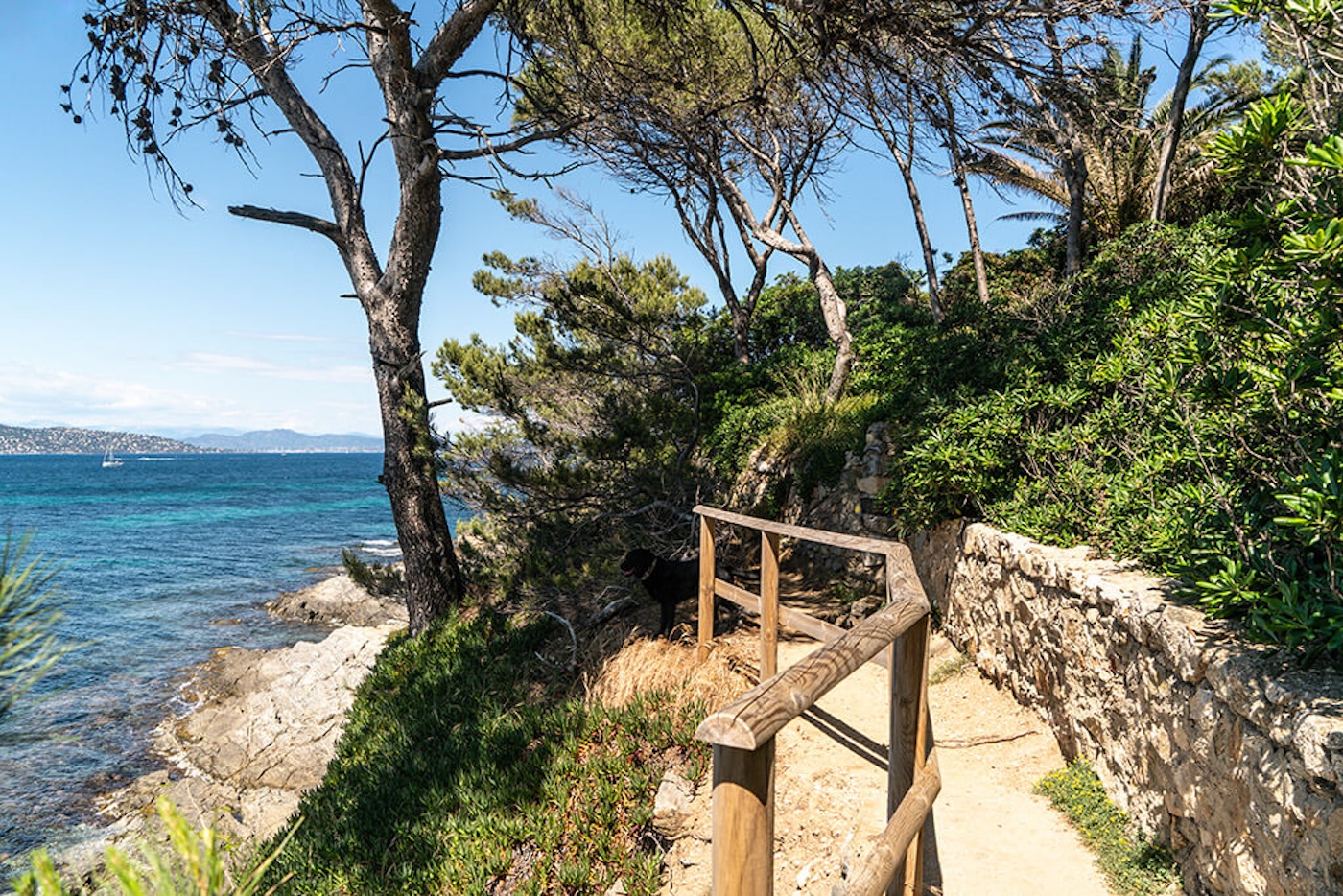
Here is the experience few rushed visitors allow themselves, and yet one of the most beautiful. The Sentier du Littoral is a coastal path starting from Plage des Graniers, below the Citadelle, running along rocky headlands and isolated coves. Following the red and white waymarks, you pass secluded little beaches and superb viewpoints over the gulf.
It's the best way to discover a Saint-Tropez the yachts never see. Bring good shoes, water and a swimsuit for a dip in a deserted cove. Best done early morning or late afternoon to avoid the heat.
Where to dine: three levels, three moods
For an exceptional dinner, La Vague d'Or, within the Cheval Blanc St-Tropez palace hotel, is the benchmark gastronomic table — Mediterranean cuisine by Arnaud Donckele, multiple-starred, in a setting of absolute refinement. This is the address for a grand evening.
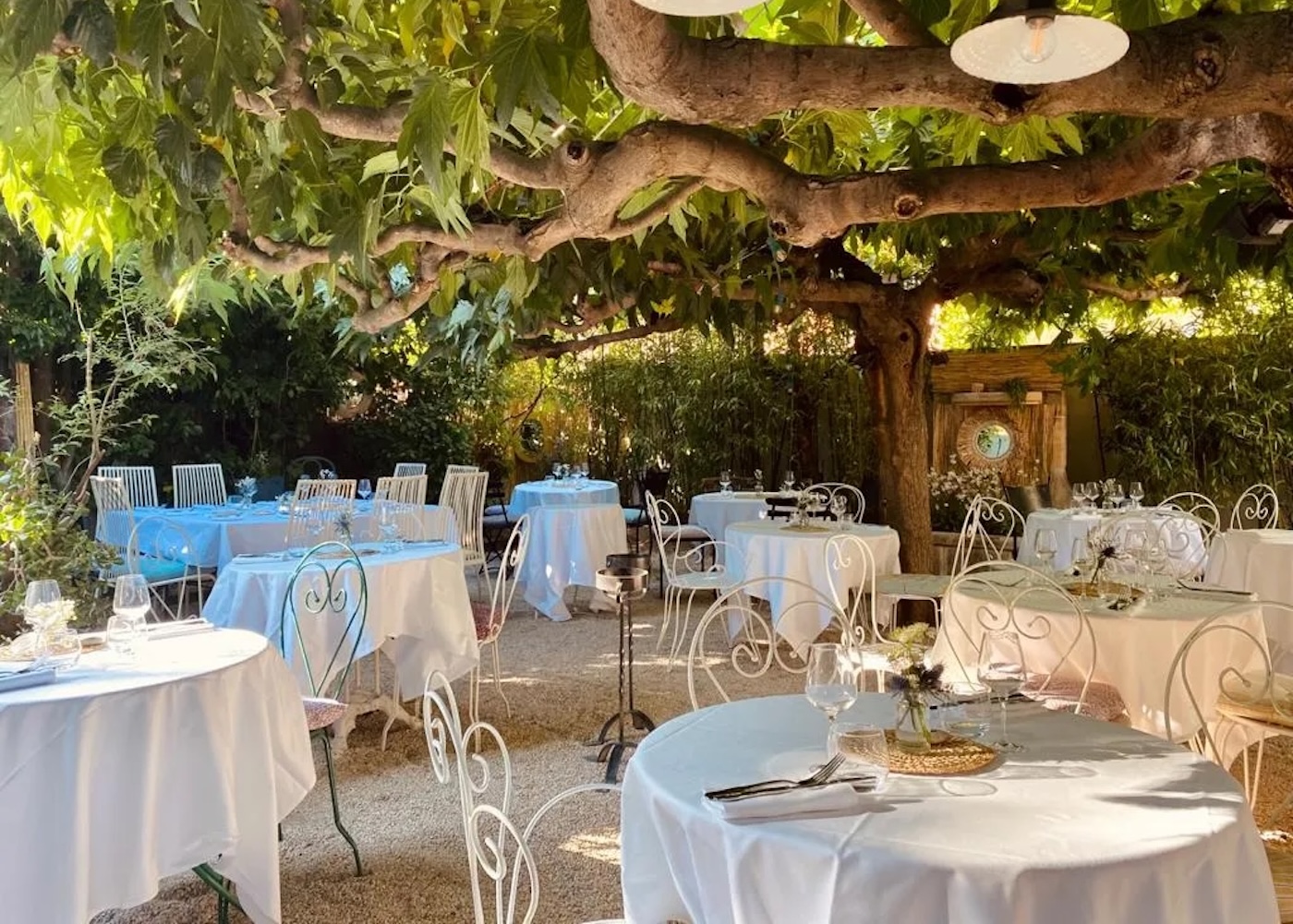
For authentic Provençal cooking in a peaceful atmosphere, La Ramade offers a welcome contrast to the bustle of the centre: produce from neighbouring farms, traditional recipes, warm service. The kind of address that's becoming increasingly rare in Saint-Tropez.
For the iconic harbour atmosphere, Le Girelier has long delighted lovers of fish and seafood in an elegant setting facing the yachts. And to finish on a local note, wherever you dine, don't leave without tasting a genuine tarte tropézienne, the cream-filled brioche born right here.
How to explore the peninsula: the experience not to miss
Saint-Tropez is best discovered on foot for the village itself, but the surrounding peninsula — Ramatuelle, Gassin (classified among the most beautiful villages in France), the rosé vineyards, the wild capes — is best savoured on the road. And this is where the setting calls for a certain way of travelling.
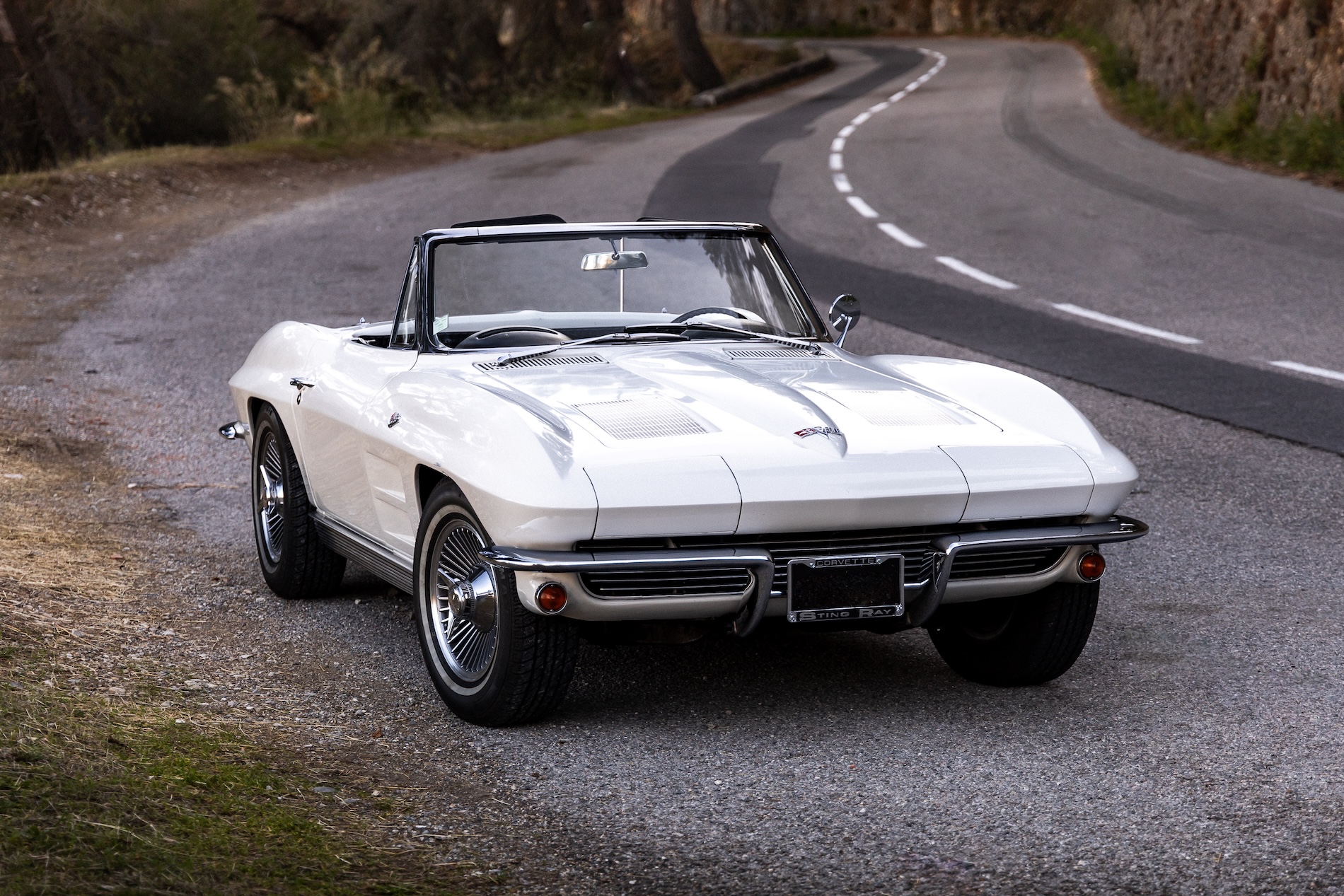
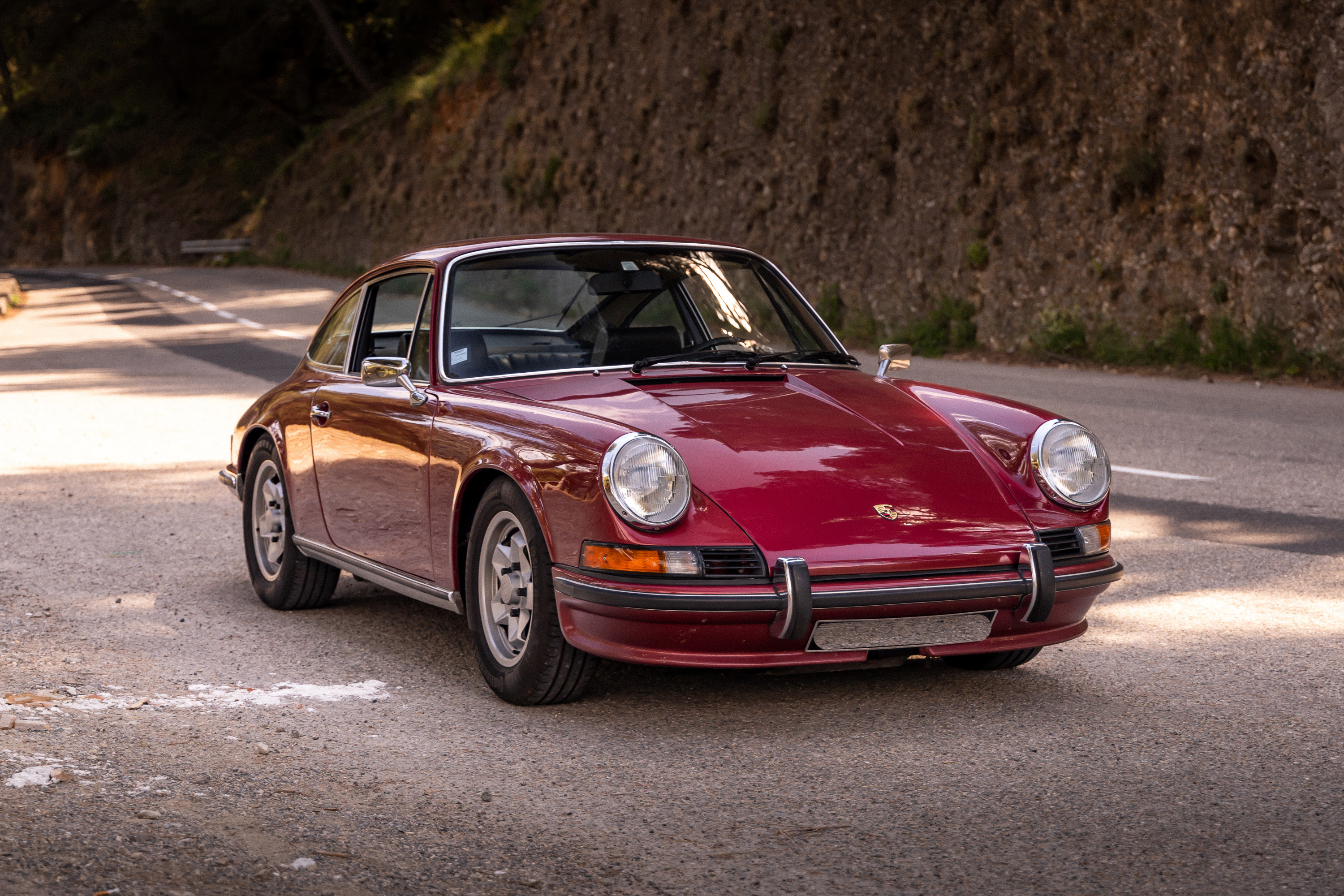
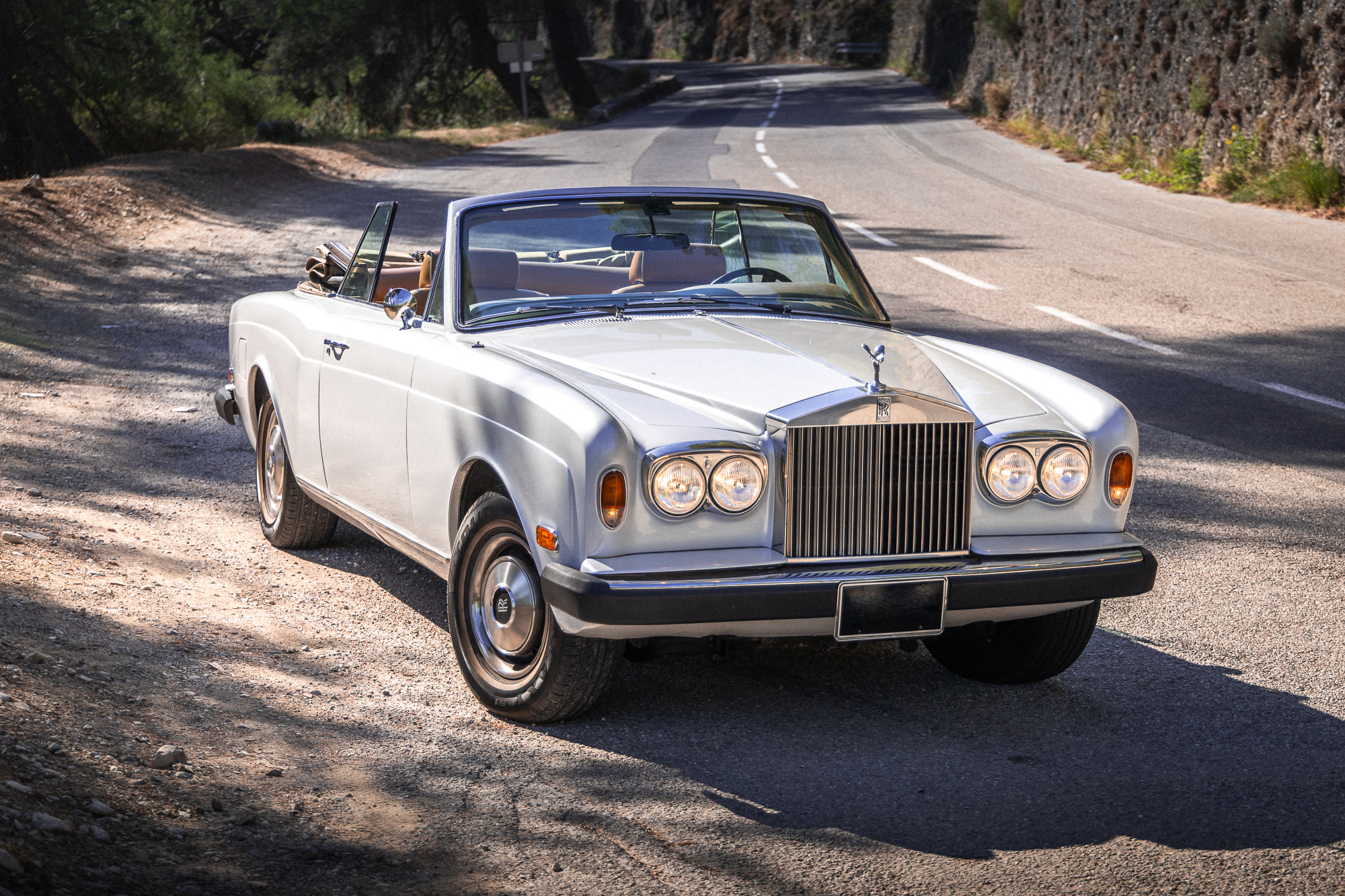
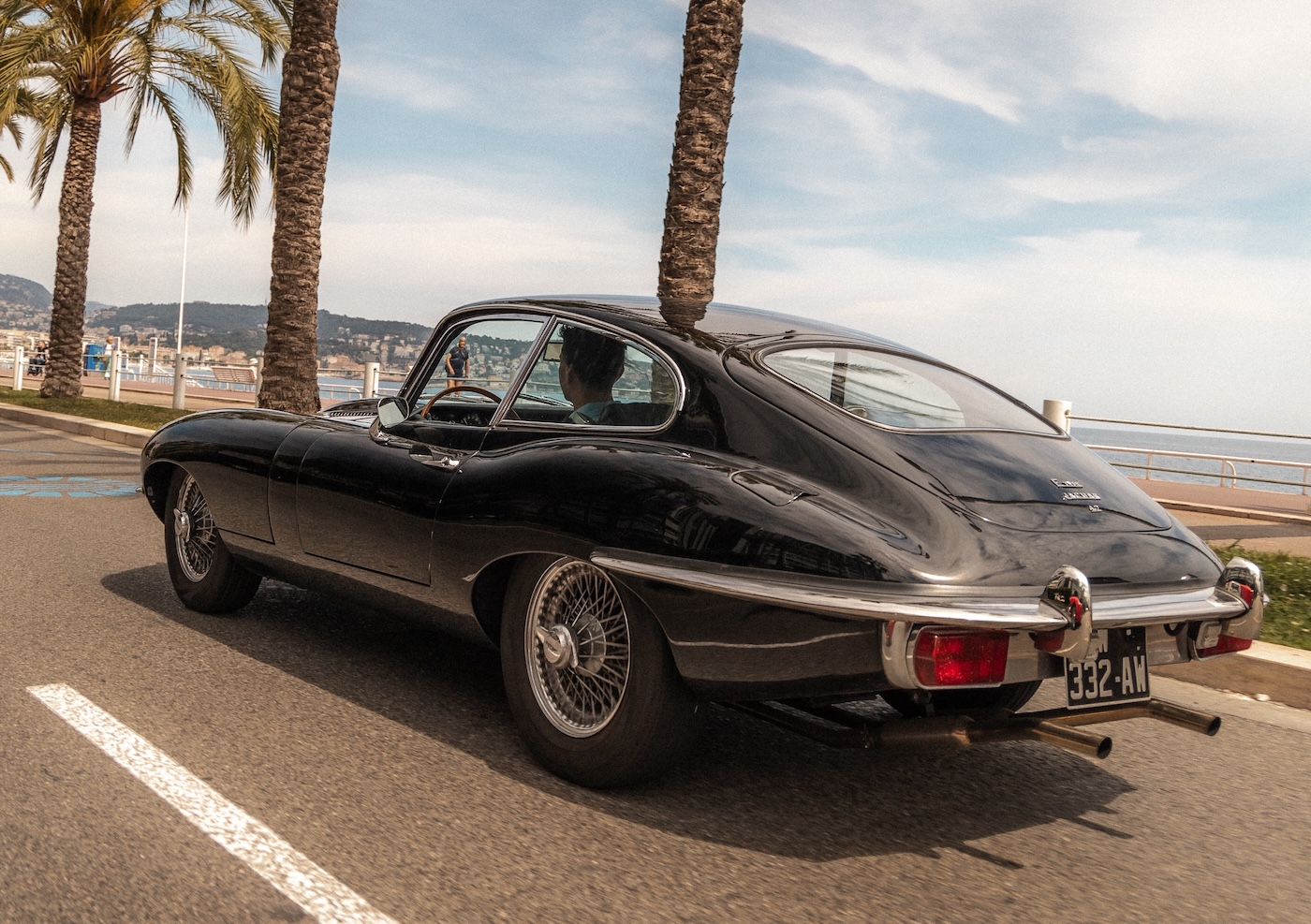
Driving the winding roads of the peninsula in a classic convertible turns a simple journey into a moment of real occasion, perfectly in tune with the spirit of the place. An Alfa Romeo Spider or a vintage Porsche 911 on the road to Ramatuelle at sunset is the very image of Mediterranean living. At Ride Classics we offer this kind of period car for hire across the French Riviera, with delivery on site — an elegant way to experience the peninsula as though in a 1960s film, far from taxi queues and crowded car parks.
The best time to visit
Avoid July and August if you can: prices soar, beaches are booked weeks ahead and the charm of the village dissolves in the crowds. May–June and September offer the best balance — ideal weather, an atmosphere still intact, perfect light. And out of season, from autumn through to spring, Saint-Tropez returns to a human scale and an authenticity many never suspect.
Want to discover the Saint-Tropez peninsula differently? Explore our fleet of classic cars and build your own tailor-made road trip along the finest roads of the French Riviera.